How to Choose a Fishing Guide Near Madison, Wisconsin



 Published: Nov 25, 2026
 6 min read
Summary
A planning guide for anglers searching for a fishing guide near Madison, Wisconsin. It covers what to compare before you book: experience, river or lake water, techniques and the skill level of your group.
Searching for a fishing guide near Madison, Wisconsin turns up plenty of names, and most of them look about the same on a first scroll. The differences show up when you ask a few specific questions about experience, water and technique. A good match turns an average day into one you talk about for years, and a poor match leaves you casting at water the guide barely knows.
This guide walks through what to compare before you put down a deposit. It uses Captain Andrew Motz of Motz Outdoor Adventures as a working example, since his background shows what solid experience looks like in southern Wisconsin.
Start With Years on the Water
Experience is the first thing to check, and the number matters less than what sits behind it. Twenty years of fishing the same region means a guide has seen the lakes and rivers through low water, high water, cold snaps and warm spells. That kind of time teaches where fish move when conditions shift, which is hard to fake and impossible to read off a brochure.
Captain Andrew has over 20 years of fishing experience, and his home water is the area around Fort Atkinson, Wisconsin. That is a good example of what to look for. He pairs long experience with deep knowledge of a specific stretch of country, not just a general claim about being a fishing expert. Ask any guide you are considering how long they have fished the exact waters you will be on.
Match the Guide to the Water: River or Lake
Southern Wisconsin offers both rivers and lakes, and they fish very differently. Rivers ask you to read current, structure and seams. Lakes ask you to find depth changes, weed edges and open-water fish. A guide who is strong on one is not automatically strong on the other.
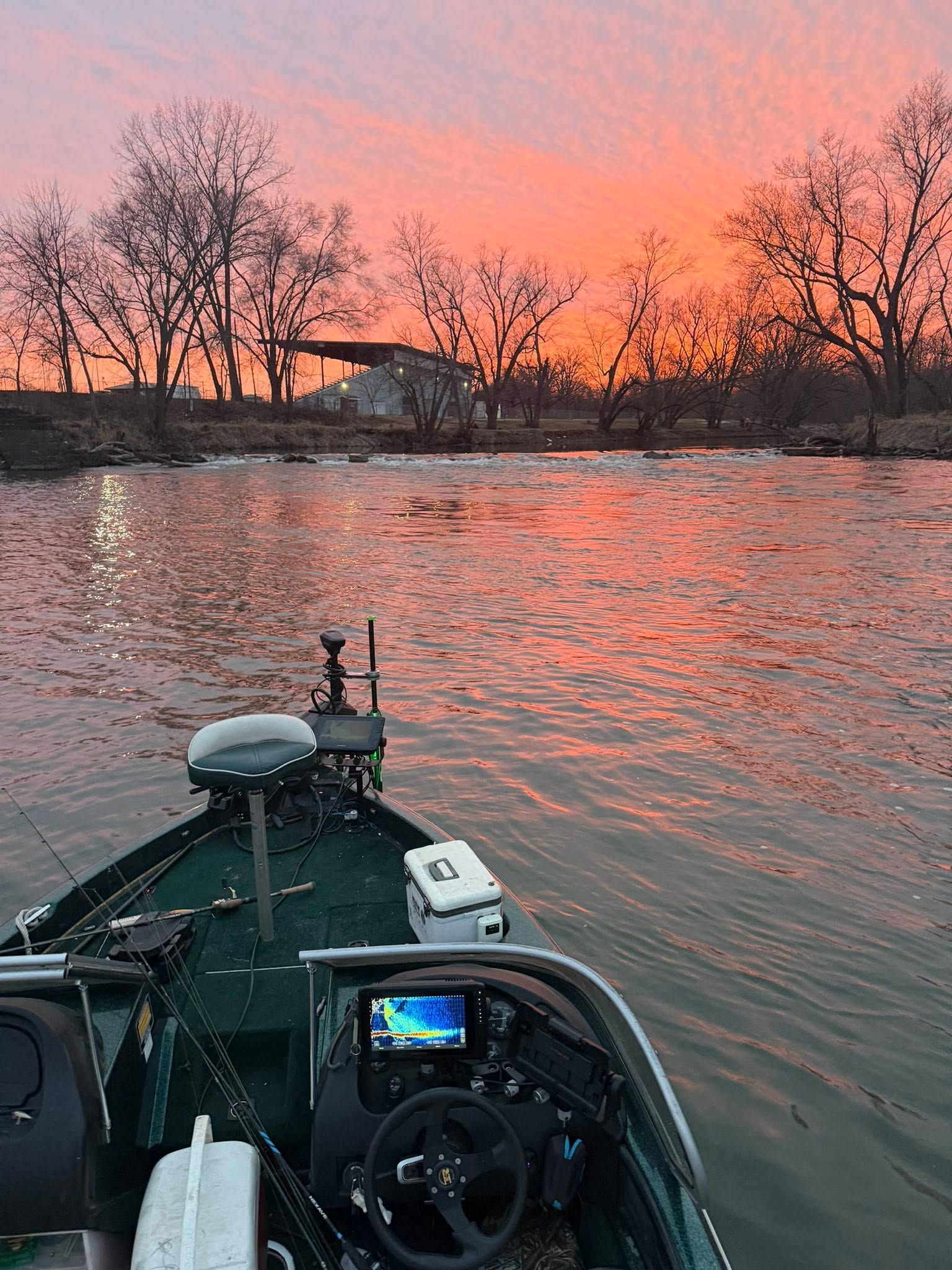
Before booking, find out which water the trip will actually run on. Some guides stick to one type, while others let you choose. Motz Outdoor Adventures lists trips on both river and lake water, so guests can pick the setting that suits what they want to catch. If you have a preference, say so up front. If you are open to either, ask what is fishing best that week and let the guide steer.
Know Which Techniques Are on Offer
Technique is where trips really differ. Two guides can fish the same lake and give you completely different days. Some run light tackle all day, some focus on trolling, and some blend several methods as the bite changes.
Captain Andrew's trips primarily use light tackle fishing, with trolling available as an optional technique. His listed trips also mention jigging and casting, and one covers sonar, live imaging and trolling motors for guests who want to learn how that equipment gets used on the water. A guide who can switch tactics during the day gives you a better shot than one locked into a single method. Ask what the plan is if the first approach does not produce.
- Which techniques will we use, and can we switch if fish are not biting?
- Is trolling included or optional?
- Will there be time to learn the gear, or is it purely fishing?
Be Honest About Your Group's Skill Level
The best guides fit the day to the people in the boat. A first-timer needs patience and a clear explanation of how to hold the rod and set the hook. A seasoned angler wants to talk strategy and fish tougher water. Mixed groups need someone who can handle both without making either feel out of place.
Captain Andrew welcomes beginners and experienced anglers alike, and his family-friendly outings welcome children. If you are bringing kids or someone new to fishing, tell the guide before the trip so the pace and expectations line up. If you are an experienced angler, say what you already know so the day does not spend an hour on basics you have covered.
Look at What Species the Guide Actually Fishes
Your target fish should shape your choice. Captain Andrew's waters hold Muskellunge, Crappie and Smallmouth Bass, and depending on the season, Walleye, Northern Pike and Yellow Perch may also be in play. Those species call for different approaches, so a guide who knows several of them gives you flexibility as the season turns.
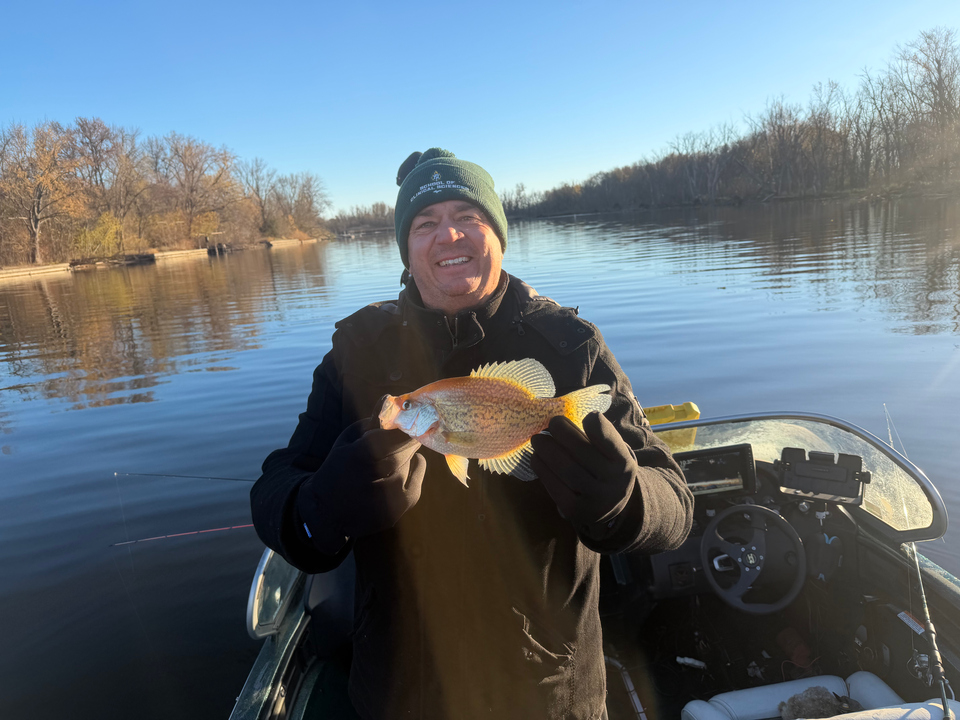
If you have a dream fish, ask whether the guide fishes for it and in which part of the year. A direct answer with specifics is a good sign. A vague answer is worth a follow-up question before you commit.
Put It All Together Before You Book
Sort your choices by what matters most to you. Decide on river or lake, decide whether you want to learn technique or simply catch fish, and think about who is coming along. Then match those answers against what a guide actually offers.
Captain Andrew's therapeutic fishing excursions out of Madison and the Fort Atkinson area show how the pieces fit: long experience, local waters, light tackle with optional trolling, and room for every skill level. Use the same checklist with any guide you consider, and a short conversation before booking will tell you most of what you need to know about southern Wisconsin fishing with them.