%2Ffit-in%2F250x250%2Fguide_websites%2F20669%2Fimages%2F1737419286025179724722_108647644714258_5292542974990715815_n.jpg&w=1920&q=100)
Lake Sturgeon Fishing in Fort Atkinson Wisconsin
Lake Sturgeon Fishing in Fort Atkinson - What to Expect
%2F%2Fusers%2F27c8cce7-0b01-4d92-a0d9-620e1cccacfd%2Fimages%2Flake-sturgeon-fort-atkinson-wisconsin-2694.jpg&w=1920&q=75)
Guided Fishing Trip by Guide Andrew Motz in June
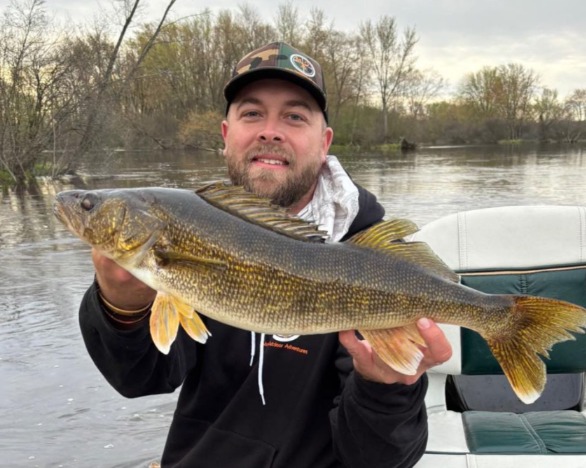
- Guided Fishing Trips in Madison WI!


Summary
Join a guided fishing trip in Fort Atkinson, Wisconsin where lake sturgeon fishing opportunities showcase what makes this region exceptional. On Thursday, June, Andrew Motz of Motz Outdoor Adventures shares insider expertise to help you connect with these remarkable fish in their natural habitat.
Fishing with Andrew Motz - Rates & Booking
Guide Andrew Motz of Motz Outdoor Adventures offers guided fishing trips on Thursday, June in Fort Atkinson, Wisconsin. As a seasoned guide with deep knowledge of local waters and sturgeon behavior, Andrew brings professional expertise to every outing. His guided fishing trip experience ensures you'll learn proper techniques, understand seasonal patterns, and maximize your time on the water. Contact Motz Outdoor Adventures to inquire about availability and booking your guided sturgeon fishing adventure.
Highlights of Guided Sturgeon Fishing
Lake sturgeon present a unique fishing challenge that demands patience, skill, and genuine respect for these ancient fish. Fort Atkinson's waters provide excellent habitat where sturgeon can reach impressive sizes. Andrew's local expertise means access to proven fishing spots and real-time knowledge of current conditions that make the difference between a good day and an unforgettable one.
The guided trip format allows you to benefit from Andrew's understanding of sturgeon habits, feeding patterns, and the specific techniques that work in Wisconsin waters. Whether you're targeting your first sturgeon or refining your approach, this guided experience combines education with genuine fishing opportunity.
Local Species Insights: Lake Sturgeon
Lake sturgeon rank among North America's most impressive freshwater fish, and they command respect from experienced anglers. These fish are bottom feeders that move deliberately through deeper channels and structure, making them a tactical challenge. In Fort Atkinson waters, sturgeon inhabit areas with good depth and access to food sources, typically responding to patient, methodical presentations.
Sturgeon fishing requires understanding water conditions, seasonal movements, and the specific behavioral cues that indicate feeding activity. Andrew's local knowledge includes awareness of migration patterns, preferred habitats throughout the year, and the subtle environmental factors that influence success. The guided trip experience means learning these insights firsthand rather than through trial and error.
What makes sturgeon fishing compelling is the combination of technical challenge and the opportunity to interact with fish that have thrived in these waters for generations. Fort Atkinson's location provides excellent access to sturgeon habitat, and guided expertise transforms opportunity into genuine connection with these remarkable fish. The guided format lets you focus on the experience while building real fishing skills you'll carry forward.
Plan Your Fishing Day
A guided sturgeon fishing trip with Andrew Motz combines instruction, local knowledge, and genuine fishing opportunity. The experience focuses on understanding sturgeon behavior, mastering effective techniques, and respecting these fish throughout the process. Time on the water is structured around conditions and seasons, with guidance on what to expect and how to adapt to changing circumstances.
Andrew's approach emphasizes the educational aspect of guided fishing, meaning you'll leave with practical knowledge alongside your fishing experience. The guided format accommodates individual skill levels while maintaining focus on quality outcomes and professional standards. Contact Motz Outdoor Adventures to discuss timing, availability, and what to bring for your guided sturgeon fishing adventure in Fort Atkinson.
Fishing in Madison: Lake Sturgeon
Lake Sturgeon Overview
The Lake Sturgeon (Acipenser fulvescens) is one of North America's most extraordinary freshwater species, earning the nickname 'Prehistoric Fish' because it has existed since the time of dinosaurs, as confirmed by fossil records dating back 200 million years. Belonging to the family Acipenseridae and order Acipenseriformes, this species represents a living connection to Earth's ancient past. What makes the Lake Sturgeon truly remarkable is not just its age as a species, but its impressive size, longevity, and the dramatic recovery story of its populations across the Great Lakes and beyond. These bottom-dwelling behemoths have captured the imagination of anglers and conservationists alike, transforming from populations on the brink of collapse to a symbol of successful fishery management and ecological restoration.
For outdoor enthusiasts and anglers, the Lake Sturgeon offers a unique and challenging pursuit that combines the thrill of tangling with a powerful ancient creature with the satisfaction of participating in a remarkable conservation success story. Whether you're exploring the waters around the Great Lakes, the Mississippi River drainage basin, or venturing north to Canada's pristine lakes and rivers, encountering a Lake Sturgeon is an experience that connects you to millions of years of evolutionary history.
Lake Sturgeon Habitat and Distribution
Lake Sturgeons are primarily bottom-dwellers that prefer sandy or gravelly substrates where they can forage for food along lake and river beds. Historically abundant throughout the Great Lakes system, these fish have also colonized the Mississippi River drainage basin extending south to Alabama and Mississippi. Today, you'll find thriving populations in the Detroit River, Lake St. Clair, and throughout the interconnected Great Lakes waters.
If you're willing to venture further north, Lake Sturgeons inhabit Lake Winnipeg in Canada, as well as the North and South Saskatchewan Rivers, extending all the way to the Hudson Bay Lowlands. Eastern populations thrive in Lake Champlain and various Vermont rivers. The waters of Wisconsin and Minnesota also support healthy populations. These fish gravitate toward deep holes, eddies, and drop-offs where they can hunt undisturbed. Their preference for deep, complex bottom habitats means successful anglers often concentrate their efforts on areas with significant depth changes and rocky or sandy terrain.
Lake Sturgeon Size and Weight
Most Lake Sturgeons encountered by modern anglers typically measure between 3 to 6 feet in length and weigh between 30 to 100 pounds on average. However, these fish are capable of reaching truly impressive dimensions. Females, which grow larger than males, can attain lengths of up to 9 feet and weights exceeding 300 pounds. Males generally max out around 6 feet in length. The largest verified catch on record was an 8-foot specimen weighing 300 pounds, pulled from Lake Michigan in 1943—a fish that stands as a testament to the species' potential size and the historical health of the fishery before conservation efforts became necessary.
The size variation reflects both the species' extreme longevity and sexual dimorphism. Female Lake Sturgeons can live over 100 years, allowing ample time to accumulate massive body mass, while males typically reach only 55 years of age. This difference in lifespan directly correlates with the pronounced size differences between sexes, making female Lake Sturgeons among the largest freshwater fish in North America.
Lake Sturgeon Diet and Behavior
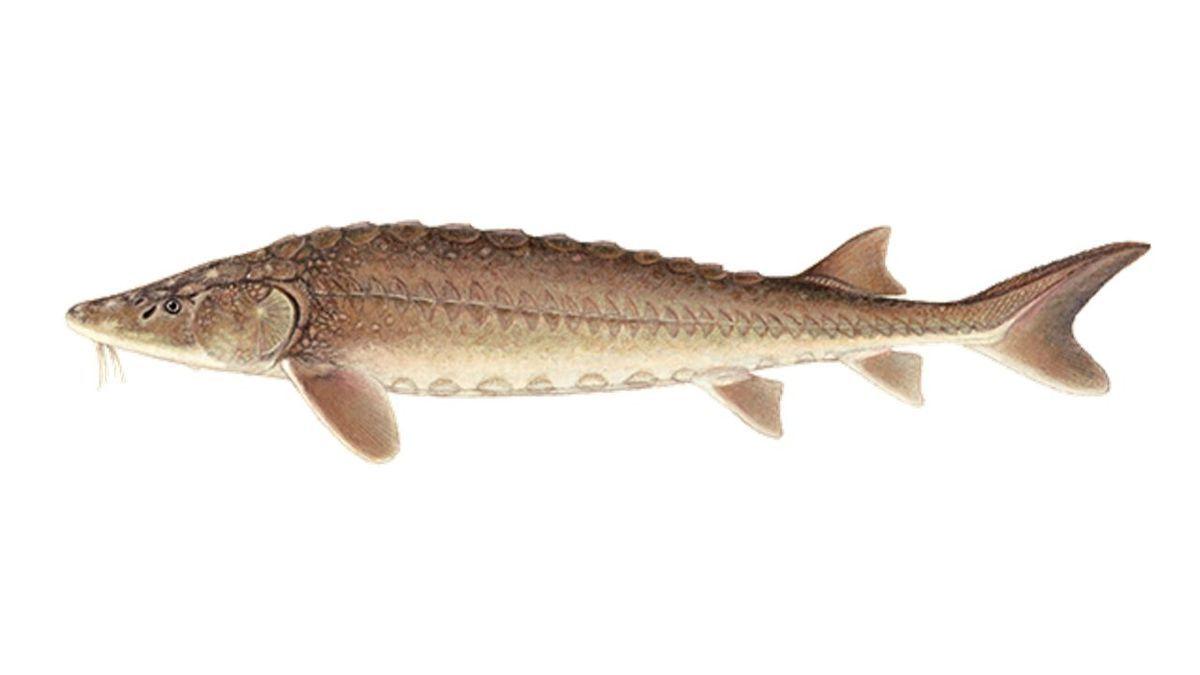
Lake Sturgeons are opportunistic bottom feeders with a diet consisting primarily of insects, worms, snails, crayfish, and small fishes. They locate prey using their four sensitive barbels—whisker-like sensory organs positioned in front of their mouth—which allow them to navigate murky lake and river bottoms with remarkable precision. When they detect food, they employ a unique feeding strategy: they extend their retractable, suction-like mouth to draw prey items into their gullet, functioning much like an underwater vacuum.
Despite their menacing appearance and impressive size, Lake Sturgeons are remarkably docile creatures. They spend most of their time moving slowly along the bottom, methodically searching for food. However, they possess surprising bursts of speed when threatened or during spawning season, when they've been observed jumping dramatically out of the water. Their cartilaginous skeleton—similar to sharks and rays—provides flexibility that allows them to squeeze into crevices and navigate complex bottom structures. Their bodies are covered with rows of sharp, bony plates called scutes rather than scales, creating an armored appearance that protects them from abrasion and predators. This distinctive plating, combined with their elongated, sleek greenish to grey body, makes Lake Sturgeons instantly recognizable even to the untrained eye.
Lake Sturgeon Spawning and Seasonal Activity
Lake Sturgeons exhibit dramatic seasonal behavior changes, particularly during the spawning season when these typically subdued giants become surprisingly acrobatic. Males reach sexual maturity around 20-25 years of age, while females may not mature until they're 25-35 years old—a testament to their slow life history. During spawning runs, Lake Sturgeons are known to leap explosively from the water, creating spectacular displays that have delighted and amazed observers for centuries.
These fish undertake spawning migrations into river systems from April through June, depending on water temperature and geographic location. Females can produce enormous quantities of eggs—sometimes hundreds of thousands in a single spawning event—though they don't spawn every year, instead following multi-year reproductive cycles. After spawning, many populations show increased feeding activity as fish recover from the energetic demands of reproduction. Understanding these seasonal patterns is crucial for both anglers seeking to maximize their chances of landing a fish and conservationists working to protect critical spawning habitat.
Lake Sturgeon Techniques for Observation and Capture
Bottom Fishing with Live or Cut Bait: The most effective method for targeting Lake Sturgeons involves deploying substantial baits on heavy tackle along deep bottom structures. Use bundles of large nightcrawlers, cut shad, or other bottom-dwelling organisms. Position your rig on the lake or river bottom near drop-offs, deep holes, or eddies where these fish forage. Sturgeon fishing requires patience—these aren't aggressive strikers. Use a sturdy rod rated for 50+ pounds, heavy sinkers to keep your bait on bottom, and a strong, reliable reel. Set your drag properly and be prepared for extended battles with a fish weighing potentially 100+ pounds. Around Lake Michigan and the Great Lakes region, many charter operators specialize in sturgeon fishing and can provide guided access to productive areas.
Localized Hot Spot Fishing: Concentrate efforts on known Lake Sturgeon habitats such as the Detroit River system, the channels between Great Lakes, or deep basins adjacent to river mouths. These transition zones between rivers and lakes concentrate migrating and resident populations. Fish during low-light conditions—dawn, dusk, and nighttime—when Lake Sturgeons are most active. In areas around Wisconsin and Minnesota, targeting the spawning migrations in spring can be particularly productive, though regulations regarding spawning season fishing vary by jurisdiction and should always be checked before planning a trip.
Safety and Equipment Preparation: Before engaging with Lake Sturgeon, prepare yourself properly. Wear heavy gloves and protective clothing because their bony scutes and razor-sharp spines can inflict serious lacerations. Have a large, sturdy landing net ready—attempting to horse a 100+ pound fish onto shore risks both your safety and the fish's welfare. Ensure your line, hooks, and knots are in perfect condition, as the immense power of a hooked Lake Sturgeon can expose any weakness in your tackle. Many experienced anglers recommend bringing a partner, as landing a trophy Lake Sturgeon is genuinely a two-person job.
Lake Sturgeon Culinary and Utilization Notes
Lake Sturgeons have been historically prized for both their meat and their eggs. The flesh is firm, white, and flavorful, offering a mild taste that appeals to many palates. However, due to their slow growth rates, advanced age at sexual maturity, and the critical nature of population recovery efforts, modern recreational harvest is typically restricted or heavily regulated across most jurisdictions.
The eggs, known as caviar when properly processed, represent the most valuable product historically derived from Lake Sturgeons. Traditional methods involve curing the eggs in salt, creating a delicacy that commanded premium prices. Today, most wild Lake Sturgeon caviar production is restricted, with aquaculture operations providing much of the commercial supply. If local regulations permit take, preparation is straightforward—the meat can be smoked, grilled, baked, or prepared in numerous traditional recipes. Before consuming any Lake Sturgeon, always verify local consumption advisories and regulations, as some waters maintain warnings regarding contaminant levels in fish tissue.
Lake Sturgeon Frequently Asked Questions
Q: What is the best bait for catching Lake Sturgeon?
A: Large bundles of nightcrawlers, cut shad, and other bottom-dwelling organisms work best. The key is presenting substantial, aromatic baits that lake sturgeons can detect with their barbels along the lake bottom. Some anglers also use prepared stink baits specifically formulated for bottom feeders. Fresh bait generally outperforms frozen alternatives, as the scent dispersal is enhanced.
Q: Where can I find Lake Sturgeon near the Great Lakes?
A: The Detroit River, channels between the Great Lakes, Lake St. Clair, and deep basins adjacent to river mouths are prime locations. In specific regions, areas around Michigan, Wisconsin, and Minnesota offer excellent opportunities. Charter services operating from ports on Lake Michigan and other Great Lakes can direct you to current hot spots based on seasonal movement patterns.
Q: Is Lake Sturgeon good to eat?
A: Yes, Lake Sturgeon flesh is firm, white, and mildly flavored, making it suitable for smoking, grilling, baking, or poaching. However, most jurisdictions heavily restrict or prohibit harvest to support population recovery. Always check local regulations and consumption advisories before keeping any fish. Where permitted, the meat is considered a delicacy worth pursuing.
Q: When is the best time to catch Lake Sturgeon?
A: Spring spawning season (April through June) concentrates fish in rivers and shallow water transitions, making them more accessible. However, summer and early fall also provide opportunities as resident populations feed actively. Low-light periods—dawn, dusk, and night—are generally most productive. Check local regulations, as spawning season fishing may be restricted in your area.
Q: What kind of tackle do I need for Lake Sturgeon?
A: Use heavy-duty rods rated for 50+ pounds, sturdy reels with reliable drags, heavy braided or monofilament line (at least 30-50 pound test), and large hooks capable of penetrating their bony mouths. Heavy sinkers, a substantial landing net, and protective gloves are essential. Sturgeon tackle must be built for power and durability, as these ancient giants are capable of extraordinary resistance.
Q: Why are Lake Sturgeon populations protected?
A: Lake Sturgeon populations collapsed from the late 1800s through much of the 20th century due to overfishing for meat and caviar, habitat destruction from pollution, and the construction of dams and other barriers that blocked spawning migrations. Strict regulations, artificial propagation programs, and habitat restoration have enabled recovery from near extinction to current stable populations. These protections remain essential to ensure the continued survival of this ancient species.